


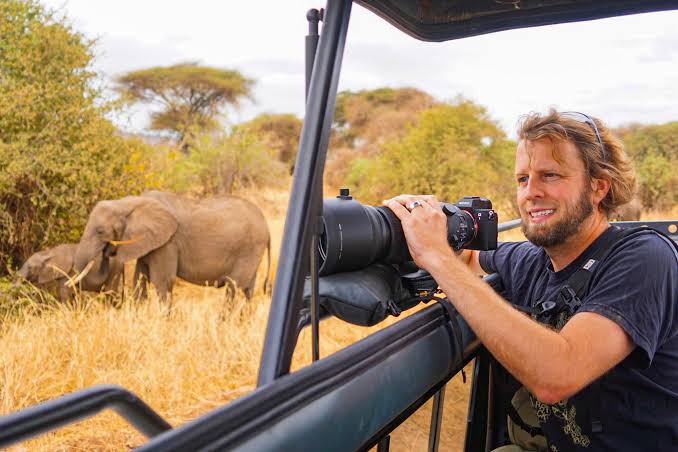
A safari offers some of the most exhilarating photographic opportunities on the planet. Capturing the perfect shot—a leopard mid-bound, a dust-covered elephant herd, or the intense gaze of a lion—requires more than simply pointing and shooting. To help you return home with stunning, professional-quality images from your Back of Africa Adventure, here are our top wildlife photography tips.
1. Stabilize Your Setup: The Secret of the Beanbag
When photographing distant wildlife with a zoom lens, even the slightest movement can cause image blur and reduce sharpness.
The Challenge: Traditional tripods are bulky and impractical inside safari vehicles where space is limited and wildlife encounters happen quickly.
2. Master Your Shutter Speed
Wildlife rarely stays still for long. Understanding shutter speed is one of the most important skills for successful safari photography.
Static Subjects: For resting lions, elephants, or grazing giraffes, aim for a minimum shutter speed of 1/400s.
Moving Subjects: For walking animals and moderate movement, increase your shutter speed to around 1/1000s.
3. Get Down to Eye Level
Some of the most powerful wildlife photographs create a sense of connection between the viewer and the animal.
Whenever possible, try to photograph wildlife from eye level rather than looking down from above. This perspective creates more intimate and dramatic portraits.
Work closely with your driver-guide to reposition the vehicle for the best angle and composition.
4. Respect the Golden Hours
Lighting is everything in photography. The harsh midday African sun often creates deep shadows and overexposed highlights that reduce image quality.
The best wildlife photography happens during the "Golden Hours"—the first hour after sunrise and the final hour before sunset.
Final Thoughts
Great safari photography combines patience, preparation, and an understanding of wildlife behavior. By mastering shutter speed, using stabilizing tools like beanbags, and taking advantage of the beautiful Golden Hours, you will be ready to capture the breathtaking moments that make an East African safari truly unforgettable.