


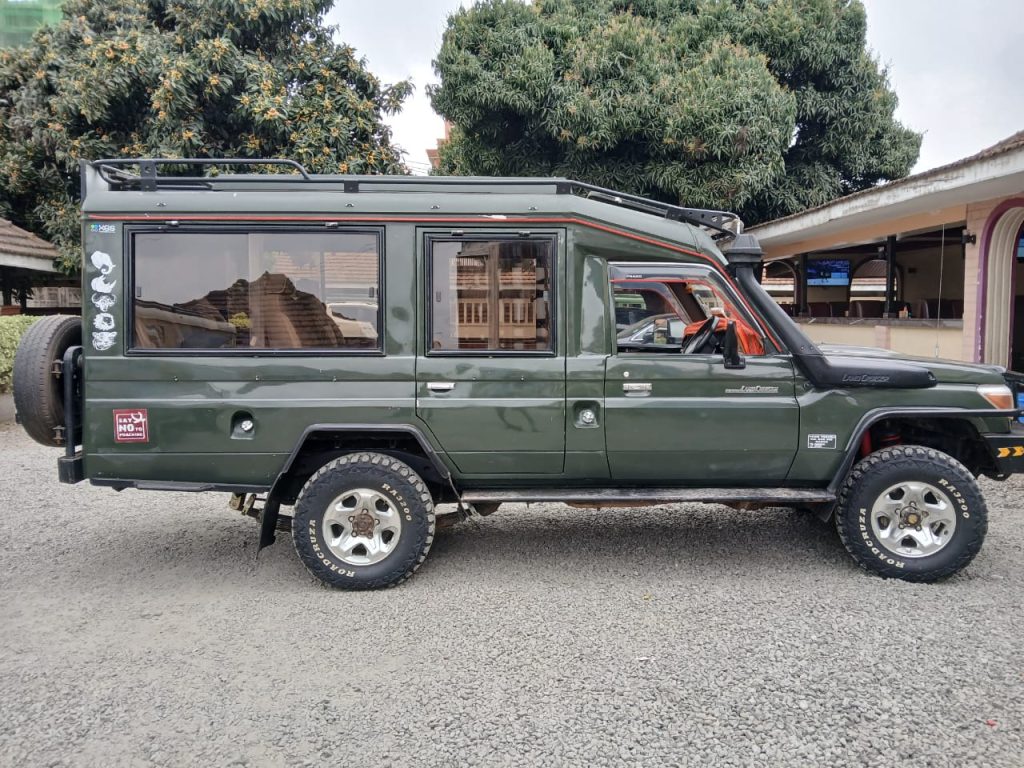
Packing for a safari requires a smart balance of practicality and restraint. The luggage compartments of safari 4x4 Land Cruisers are compact, and internal flight transfers often have strict weight limits. To make your Back of Africa Adventure smooth and stress-free, here is our definitive list of what to bring and what to leave behind.
1. The Golden Rule: Soft-Sided Bags Only
The Constraint: Rigid, hard-shell suitcases with wheels do not fit efficiently into the storage compartments of safari vehicles or small bush planes.
2. Clothing: Think Layers and Neutrals
Safari weather changes quickly, often shifting from chilly early-morning game drives to hot afternoon sunshine.
Colors: Pack neutral tones such as khaki, tan, olive green, and brown. Avoid bright white because it gets dusty quickly, dark blue or black because they may attract biting tsetse flies, and camouflage patterns because they are reserved for local military forces.
Core Wardrobe: Pack 3–4 breathable t-shirts, 2 long-sleeve shirts for sun and insect protection, 2 pairs of lightweight trousers, and 1 pair of shorts.
3. Footwear: Keep It Comfortable
You do not need heavy technical mountaineering boots unless your itinerary includes mountain trekking.
Daily Wear: A worn-in pair of comfortable sneakers or lightweight trail walking shoes is perfect for game drives, lodge walks, and guided bush walks.
4. Electronics and Safari Gear
Binoculars: Bring your own pair if possible. An 8x42 magnification is ideal for safari viewing. While guides may have binoculars, sharing one pair during a rare wildlife sighting can mean missing the action.
Camera Gear: A camera with a decent zoom lens, ideally 200mm–300mm, is useful for capturing distant wildlife. Pack extra memory cards and spare batteries, as cold nights can drain battery life quickly.
5. Toiletries and Health Essentials
Sun and Bug Protection: Pack high-SPF, water-resistant sunscreen, UV-protection sunglasses, a wide-brimmed hat, and insect repellent containing DEET.
Final Thoughts
When it comes to safari packing, less is always more. Most lodges offer daily laundry services, which means you can comfortably pack for a two-week adventure using only a few days' worth of versatile clothing. Travel light, pack smart, and enjoy the freedom of a stress-free Back of Africa Adventure.