


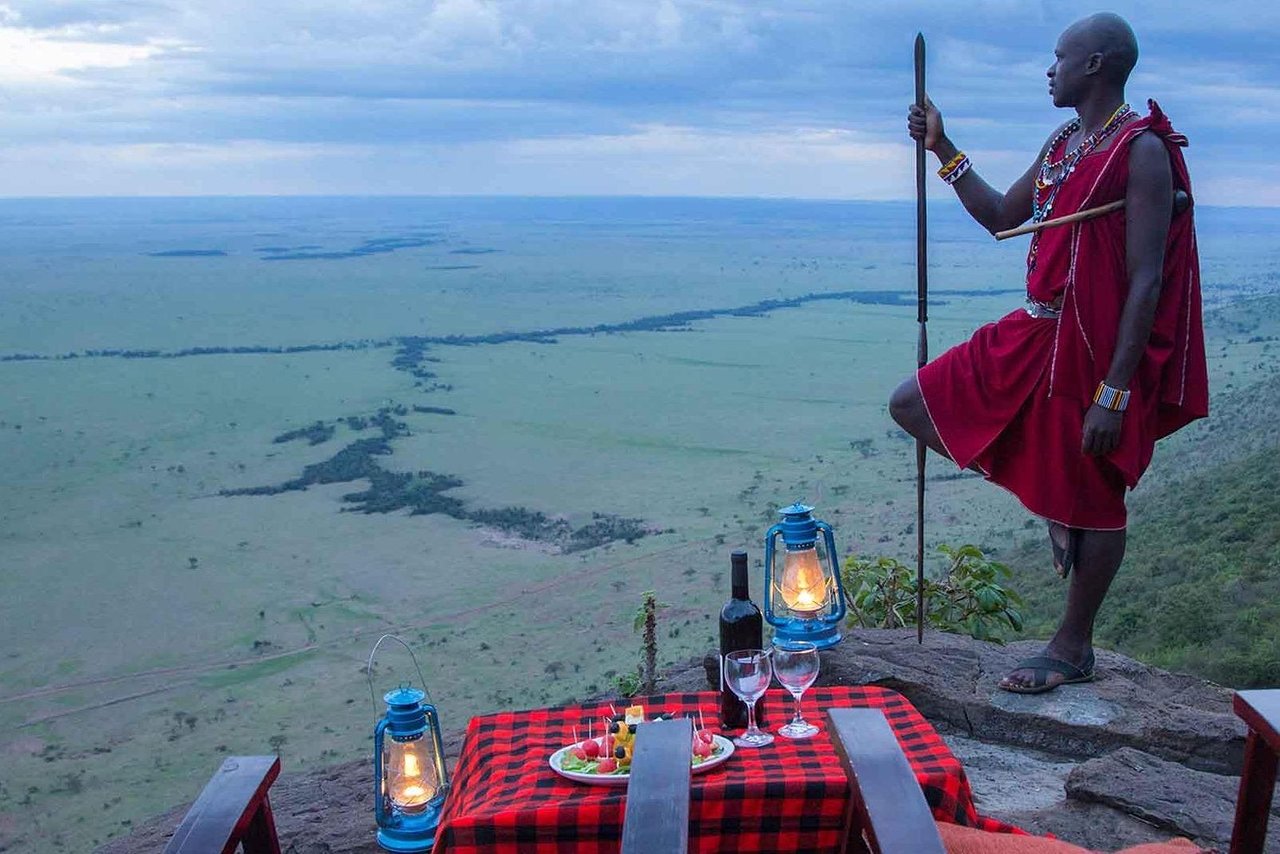
A safari with Back of Africa Adventure is about more than incredible wildlife encounters. It is also an opportunity to connect with the rich cultural heritage of East Africa. While the region is home to hundreds of ethnic communities, the Maasai of the open savannah and the Chaga of Mount Kilimanjaro offer two fascinating and contrasting ways of life that have shaped these landscapes for generations.
1. The Maasai: Guardians of the Savannah
The Maasai are among the most recognizable cultural groups in East Africa, living throughout the Great Rift Valley regions of Kenya and Tanzania. Their traditions, dress, and close connection to nature have made them an enduring symbol of the African wilderness.
The Pastoral Lifestyle: Traditionally semi-nomadic pastoralists, the Maasai center their lives around cattle, which represent wealth, status, food, and cultural identity. Their deep understanding of wildlife and the natural environment has enabled them to coexist with predators and other animals for centuries.
2. The Chaga: Masters of the Mountain Slopes
In contrast to the open grasslands of the Maasai, the Chaga people inhabit the fertile volcanic slopes of Mount Kilimanjaro in northern Tanzania. Their culture is closely linked to agriculture, trade, and the mountain environment.
Agricultural Innovation: The Chaga are famous for developing one of Africa's most sophisticated traditional farming systems. Their renowned Chaga Home Gardens combine bananas, coffee, vegetables, and indigenous trees in a sustainable agroforestry model that has thrived for generations.
The Underground Tunnels: The Chaga also possess a remarkable engineering history. Visitors can explore underground tunnels hand-dug centuries ago to provide protection for families and livestock during periods of tribal conflict.
Why Cultural Experiences Matter
Wildlife and landscapes are only part of what makes East Africa extraordinary. The people who have lived alongside these ecosystems for centuries have developed unique traditions, knowledge, and conservation practices that continue to shape the region today.
Final Thoughts
Understanding the people who have protected these landscapes for generations adds a deeper dimension to your safari experience. Whether learning about the Maasai's connection to the savannah or discovering the Chaga's agricultural traditions on the slopes of Mount Kilimanjaro, these cultural encounters create meaningful memories that last long after your journey ends. Back of Africa Adventure proudly supports ethical, community-led experiences that directly benefit local people while preserving East Africa's remarkable cultural heritage.