


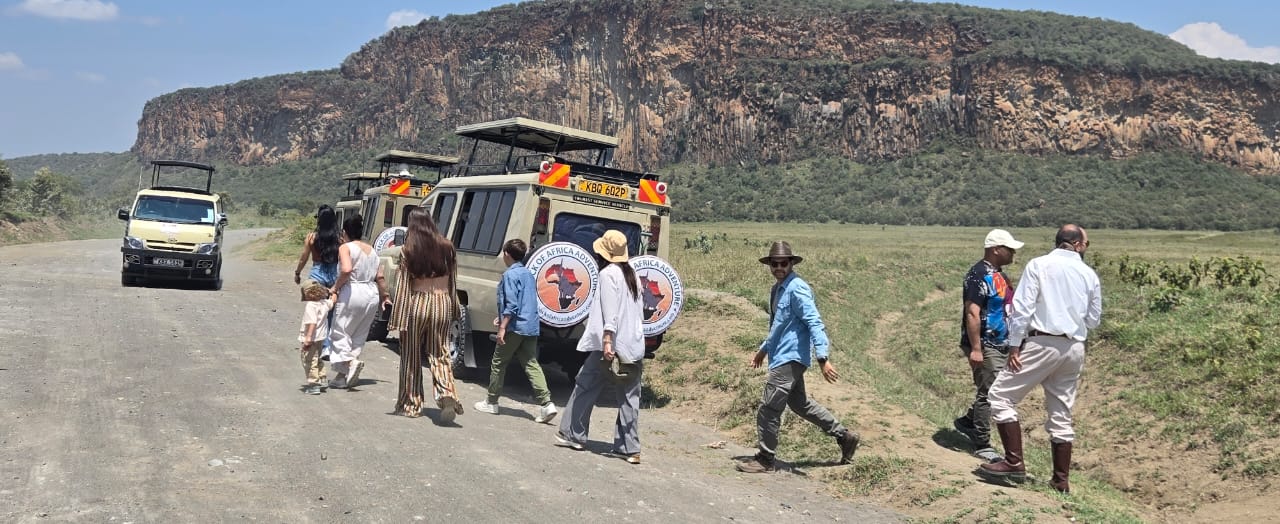
Timing is everything when planning a safari. Whether you want to witness the Great Migration, see newborn wildlife, or avoid the crowds, knowing the seasonal shifts of East Africa is key. Here is your quick month-by-month breakdown from the experts at Back of Africa Adventure.
1. The Peak Dry Season: June to October
This is widely considered the absolute best time for wildlife viewing.
The Experience: As water sources dry up, animals gather predictably around permanent rivers and waterholes. Vegetation is thin, making tracking predators much easier.
The Migration: Between July and September, the iconic Great Migration arrives in Kenya's Masai Mara and Tanzania's Northern Serengeti, featuring dramatic river crossings.
2. The Short Rains: November to December
A fantastic shoulder season for travelers seeking a quieter experience.
The Experience: Expect brief afternoon showers that quickly clear up. The dusty savannah transforms into a lush green landscape.
Highlight: This marks the arrival of thousands of migratory bird species, making it a paradise for birdwatching. Lodges are less crowded, and prices are typically lower.
3. The Calving Season: January to February
A hidden favorite for safari experts, particularly in Tanzania.
The Experience: The rain pauses briefly for a short dry spell. In the Southern Serengeti, hundreds of thousands of wildebeest calves are born within a multi-week window.
The Action: This abundance of vulnerable prey triggers intense predator action from nearby lions, cheetahs, and hyenas.
4. The Long Rains: March to May
Known as the Green or Emerald Season.
The Experience: This period brings heavy, tropical rainfall. While some rural camps close down, open lodges offer massive discounts.
Highlight: If you don't mind the rain, you will enjoy empty parks, crisp dust-free air, and spectacular scenery that is perfect for landscape photography.